 R Glover Roofing
Proper Airflow in Your Attic Protects Your Roof and Home
The importance of ventilation in roof systems comes down to one thing: airflow protects your home. Good ventilation lets fresh air move through the attic while pushing hot, moist air out. This helps your roof last longer, keeps energy bills lower, and prevents damage like mold or wood rot. Without steady airflow, heat and moisture get trapped and slowly break down your roofing materials.
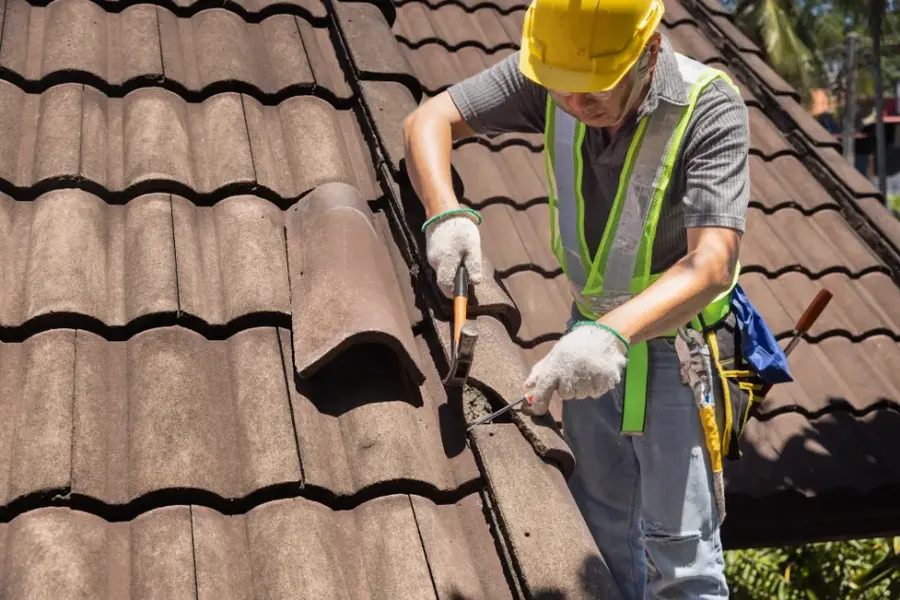
Why Roof Ventilation Matters
Your roof does more than block rain. It also helps control temperature and moisture inside your home. When air cannot move freely in the attic, heat builds up in summer. In winter, warm air from inside your house rises and gets stuck under the roof deck.
This trapped heat and moisture can:

- Warp or crack shingles
- Cause mold growth in insulation
- Rot wooden framing
- Create ice dams in cold weather
- Shorten the life of your roofing system
Over time, poor airflow can lead to costly repairs or even an early roof replacement.
What You Need for Proper Ventilation
A balanced system needs both intake and exhaust vents. Intake vents bring fresh air in. Exhaust vents push hot, damp air out. If you only have one type, the system will not work well.
Common ventilation parts include:
- Soffit vents along the roof’s edge
- Ridge vents at the peak of the roof
- Gable vents on the sides of the attic
- Roof vents or box vents near the top
The size of your attic and roof design will affect how many vents you need.
How Roof Ventilation Works Step by Step
A simple way to understand ventilation is to picture how air flows through the space.
- Cool air enters through intake vents, usually in the soffits.
- The air moves upward as it warms inside the attic.
- Hot, moist air rises to the top of the attic.
- Exhaust vents release that hot air outside.
This steady cycle keeps the attic close to the outside temperature. That balance helps protect shingles and roof decking from stress.
Common Ventilation Mistakes
Many homes have ventilation issues because of simple errors.
- Blocking soffit vents with insulation
- Installing too many exhaust vents without enough intake
- Mixing vent types without a plan
- Skipping ventilation during roof replacement
When insulation blocks airflow, fresh air cannot enter the attic. When there is too much exhaust and not enough intake, the system pulls air from inside your home instead. Both problems reduce efficiency and may cause hidden damage.
How Ventilation Affects Energy Bills
Poor ventilation makes your attic much hotter in summer. That heat pushes down into your living space. Your air conditioner must work harder to cool the home.
In winter, trapped moisture can dampen insulation. Wet insulation does not work well. This leads to heat loss and higher heating costs.
Good airflow helps keep insulation dry and attic temperatures stable. That means your heating and cooling systems do not run as often.
When to Call a Roofing Professional
Some ventilation checks are simple. You can look for blocked soffits or visible mold. But other issues are harder to see.
You may need professional help if:
- Your attic feels extremely hot
- You see frost on nails or wood in winter
- Ice dams form along roof edges
- Shingles seem to age faster than expected
A roofing expert can measure attic space, inspect airflow, and recommend changes. If you are planning a roof replacement, that is the best time to correct ventilation problems. Updating vents during new roof installation is often easier and more cost-effective than fixing them later.
Protect Your Roof With Proper Airflow
Ventilation plays a key role in how long your roof lasts and how well your home performs. In homes across Marshall, MI, weather changes can put extra stress on roofing systems without the right airflow. At R Glover Roofing, we inspect the full roofing system, not just the shingles. If you have concerns about attic airflow or are planning a roof replacement, call us at (269) 420-5578 to schedule an inspection and get clear answers about your roof’s condition.